

Performance reviews are a key part of helping employees grow, but let’s face it they can often feel awkward. Whether you’re an employee who dreads the conversation or a manager looking for a more effective approach, performance reviews are frequently riddled with common mistakes. These errors can make the process feel less productive, leaving employees feeling unmotivated or even frustrated.
But here’s the good news: Performance reviews don’t have to be this way. By becoming aware of common mistakes and using the right tools, you can turn your reviews into a powerful growth tool for your team. Let’s walk through five common mistakes and explore how performance management software like AssessTEAM can help you fix them and make your reviews more effective.
Mistake 1: Relying Too Much on Recent Performance
It’s easy to focus on what happened last week or last month this is known as recency bias. Unfortunately, this can lead to unfair reviews. Imagine an employee who’s been performing exceptionally for six months but had one rough week right before the review. That single week could unfairly influence their overall performance score.
Fix it: Track Performance All Year Long
To avoid recency bias, it’s important to track performance continuously, not just during the review period. With AssessTEAM, you can monitor performance over time, ensuring reviews are based on consistent data rather than isolated incidents. Continuous feedback helps align both managers and employees on goals, making reviews more accurate, objective, and constructive.

Mistake 2: Vague Goals with No Clear Expectations
When employees don’t know what’s expected of them, how can they meet those expectations? Many reviews fail because the goals are vague, such as “do better” or “improve your performance.” Without specific, measurable goals, the review process becomes subjective, leaving employees unsure about what success looks like.
Fix it: Set SMART Goals and Track Them
The solution is straightforward: set clear, measurable, and achievable goals. SMART goals (Specific, Measurable, Achievable, Relevant, and Time-bound) ensure that employees understand exactly what they need to do to succeed. With AssessTEAM, setting and tracking SMART goals is seamless. You can define specific KPIs (Key Performance Indicators) for each role, allowing managers to evaluate performance based on real data providing clear insights into both achievements and areas for improvement.

Mistake 3: Forgetting to Include Employee Input
Performance reviews often become one sided, with managers delivering feedback while employees have little say. This can lead to employees feeling unheard or misunderstood. Reviews should be a conversation, not a lecture.
Fix it: Make It a Two-Way Conversation
Involve employees in the review process by asking for their input. Encourage them to reflect on their performance, discuss challenges they’re facing, and identify areas where they want to improve. Tools like 360-degree feedback are an effective way to gather input from peers, managers, and the employees themselves, offering a well-rounded view of performance.
With AssessTEAM, employees can complete self-assessments and offer feedback, fostering a more collaborative and transparent review process. This not only helps employees feel heard but also gives managers valuable insights into the employees’ perspectives on their own performance.

Mistake 4: Focusing Only on Weaknesses
We’ve all experienced reviews that feel like a list of everything we’re doing wrong. Focusing solely on weaknesses can make employees feel discouraged or undervalued. Performance reviews should balance constructive feedback with recognition of strengths and achievements.
Fix it: Balance Feedback with Praise and Guidance
A great review includes both positive feedback and constructive guidance. When managers use performance evaluation software like AssessTEAM, they can easily track strengths and achievements alongside areas for improvement. With real-time performance tracking, managers can provide a balanced review that motivates employees and helps them grow. Recognizing what’s working and where development is needed ensures that employees leave the review with a clear direction for improvement.

Mistake 5: Giving Feedback That’s Too General
“Do better next time” is not actionable feedback. If feedback is too vague, employees don’t know what steps to take to improve. They may leave the review feeling confused or unsure about what went wrong.
Fix it: Provide Clear, Actionable Feedback
To make feedback effective, it needs to be specific and actionable. Instead of saying, “You need to be more organized,” give concrete examples and suggestions. For example: “I noticed your reports are often submitted late. Let’s work on setting reminders and using task management tools to help you stay on track.”
With AssessTEAM, feedback is data-driven and specific, providing actionable insights. The platform allows managers to track performance metrics throughout the year, so the feedback shared during reviews is not only relevant but rooted in real-time data. This makes the feedback clear, practical, and easy for employees to implement.
How Performance Management Software Helps
Now that we’ve discussed the common mistakes, let’s explore how AssessTEAM, the performance management software, can help resolve these issues. Key features of AssessTEAM include:
- Continuous Feedback: Helps eliminate recency bias by providing ongoing performance insights.
- SMART Goal Setting: Simplifies setting and tracking measurable goals, ensuring alignment with company objectives.
- 360-Degree Feedback: Facilitates a two-way conversation by gathering input from managers, peers, and self-assessments.
- Balanced Performance Tracking: Enables managers to track strengths and weaknesses equally, providing a holistic view of performance.
- Actionable, Specific Feedback: Empowers managers to provide clear, concrete feedback based on real data.
Integrating AssessTEAM into your performance review process can make reviews smoother, more objective, and far more effective in fostering employee growth.
Case Study: How a Manufacturing Company Improved Employee Performance with Balanced Reviews
Challenge:
A manufacturing company faced challenges with performance reviews that focused too heavily on recent performance, failed to involve employees in the process, and were often vague or overly critical. This led to disengaged employees and reduced productivity across the organization.
Solution:
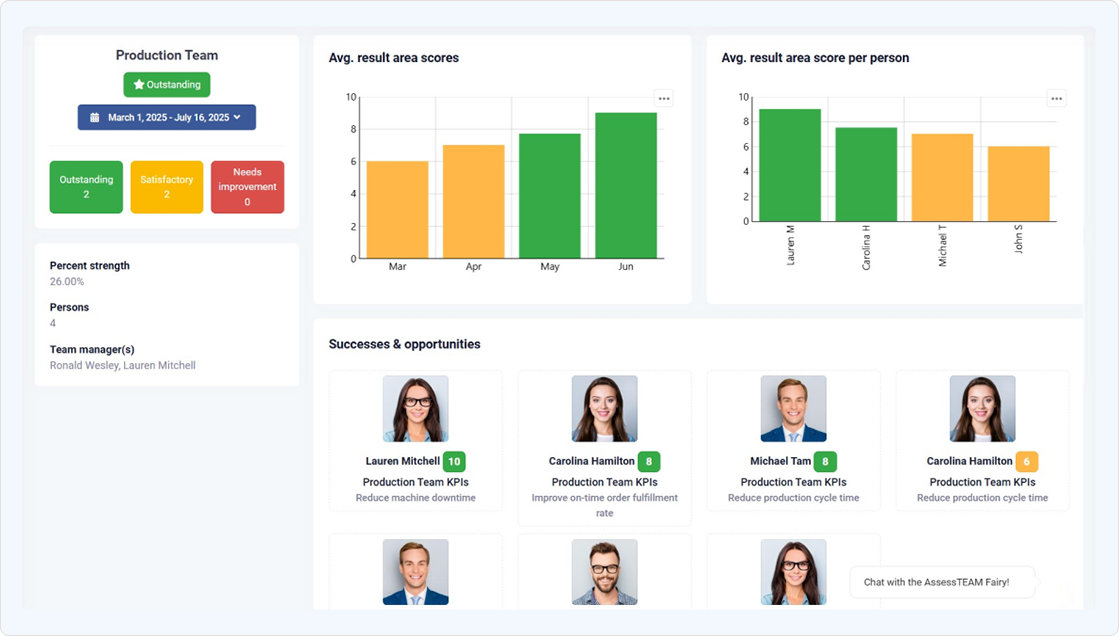
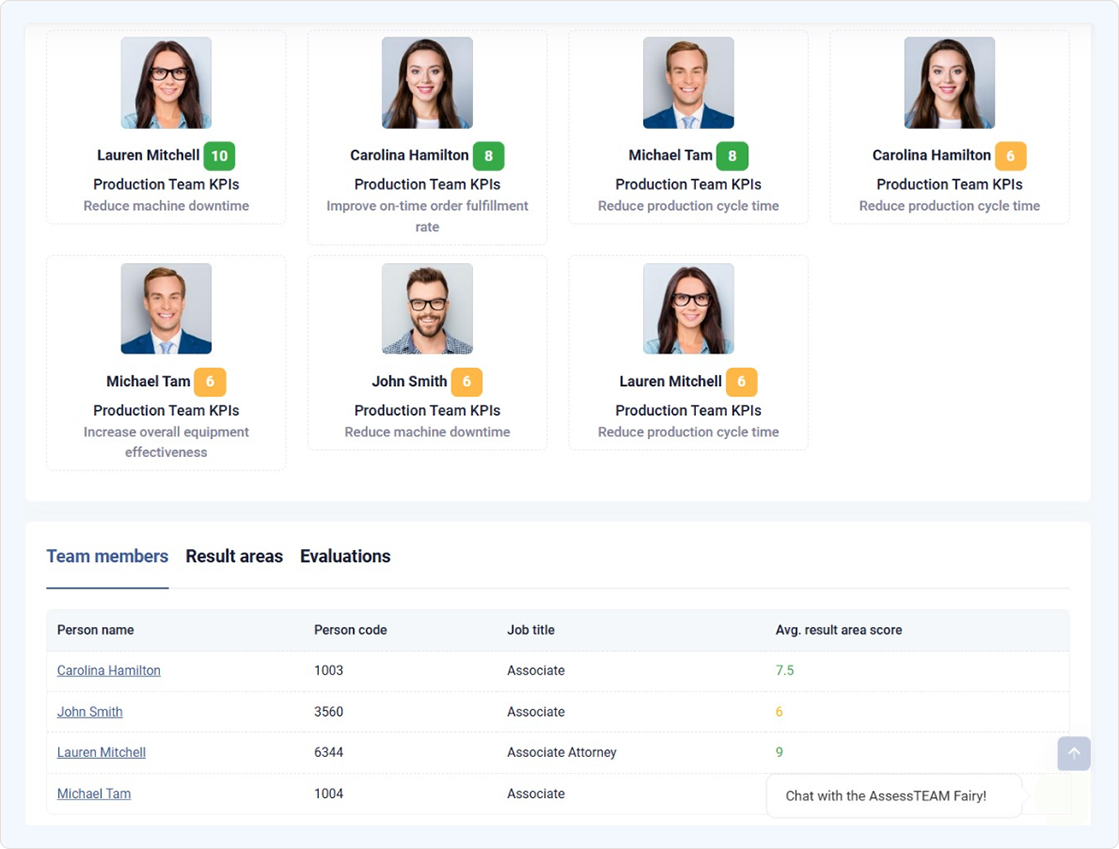
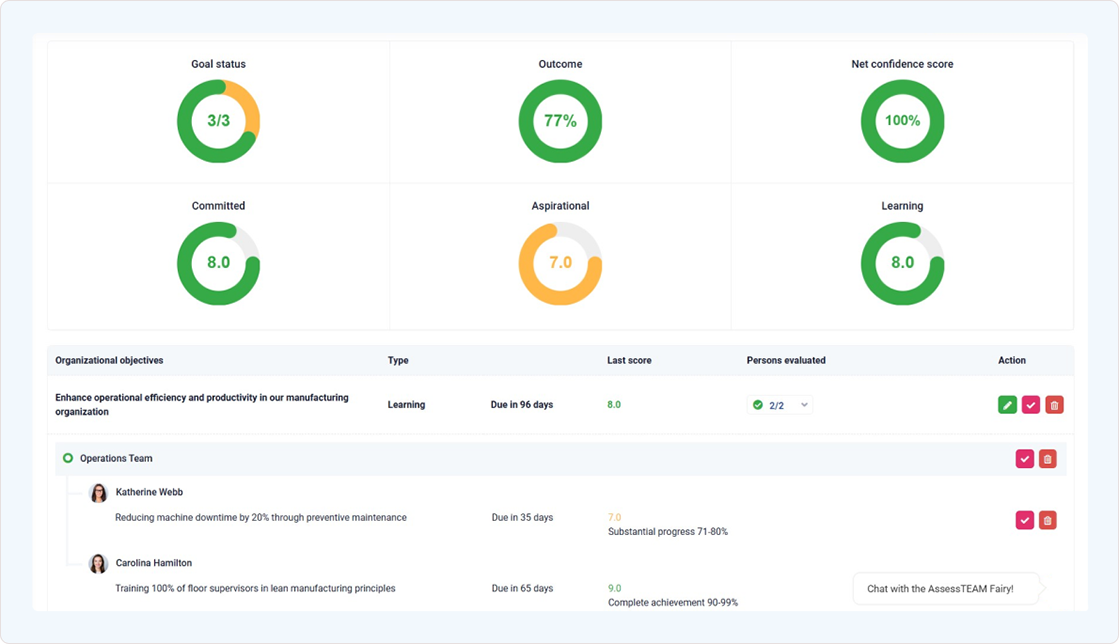
The company implemented AssessTEAM to track performance throughout the year, set clear SMART goals, and gather 360-degree feedback. They also ensured a more balanced approach by tracking both strengths and areas for improvement, while providing specific, actionable feedback.
Outcome:
- Balanced and data-driven performance reviews led to improved employee morale and motivation.
- Engagement increased by 15% as employees felt more involved in the review process and better understood their goals.
- Employee productivity improved by 18% thanks to clearer expectations and timely feedback.
- Turnover decreased by 12%, as employees felt recognized for their contributions and supported in their professional development.
Conclusion
Performance reviews don’t have to be frustrating or ineffective. By avoiding these common mistakes and leveraging performance management tools like AssessTEAM, you can make reviews a powerful tool for employee growth and organizational success.
With AssessTEAM, you can ensure that every review cycle is data-driven, balanced, and focused on fostering a culture of continuous improvement. So, if you’re ready to ditch outdated performance review methods and create a more meaningful and productive process, AssessTEAM is here to help you every step of the way.