

In the modern workplace, the success of organizations is intricately tied to the performance and effectiveness of their teams. With the increasing emphasis on collaboration, communication, and continuous improvement, businesses constantly seek innovative solutions to empower their teams for success. One such solution that has gained prominence recently is 360-degree feedback software.
Empowering teams to thrive collectively involves more than just assigning tasks and tracking progress. It requires fostering an environment where feedback flows freely, contributing to individual and collective growth. Leveraging 360-degree feedback software is a powerful strategy in this pursuit.
 Understanding 360-Degree Feedback
360-degree feedback, also known as multi-rater feedback, is a process where an individual receives anonymous feedback from various sources within their professional environment. These sources typically include peers, managers, direct reports, and even clients or stakeholders. Unlike traditional top-down feedback mechanisms, 360-degree feedback offers a holistic view of an individual’s performance, providing valuable insights into their strengths, weaknesses, and areas for improvement.
 The Power of Collaborative Growth
Collaborative growth emphasizes the collective development of teams and individuals within an organization. It recognizes that every member plays a crucial role in achieving common goals and fosters an environment where continuous learning and improvement are encouraged. By leveraging 360-degree feedback, organizations can unlock the full potential of their teams by:
- Promoting Self-Awareness: 360-degree feedback offers individuals a comprehensive understanding of their performance by aggregating insights from multiple perspectives. This promotes self-awareness, enabling individuals to identify their strengths and areas for development more effectively.
- Facilitating Constructive Dialogue: By providing anonymous feedback, 360-degree assessments create a safe space for open and honest communication. This fosters constructive dialogue within teams, allowing for meaningful discussions on performance and development goals.
- Driving Accountability: When individuals receive feedback from their peers and colleagues, they are more likely to take ownership of their performance and strive for improvement. This shared accountability cultivates a culture of responsibility and commitment to collective success.
- Encouraging Continuous Improvement: 360-degree feedback is not a one-time event but an ongoing process. By regularly collecting feedback, teams can track their progress over time and make iterative improvements. This iterative approach to development ensures that teams are continuously adapting and growing.
 Driving Growth Through Data Insights
One of the most significant advantages of leveraging 360-degree feedback software is the wealth of data it generates. Analyzing this data provides valuable insights into team dynamics, communication patterns, and areas of alignment or conflict. Armed with this knowledge, teams can identify opportunities for improvement and tailor their development efforts accordingly.
 Empowering Individuals for Collective Success
At its core, empowering teams is about empowering individuals. 360-degree feedback software empowers employees to take ownership of their growth journey. By soliciting feedback from diverse perspectives, individuals gain a more comprehensive understanding of their strengths and development areas. This self-awareness fuels personal growth and fosters a culture of continuous improvement within the team.
 Best Practices for Implementation
While the benefits of 360-degree feedback software are undeniable, successful implementation requires careful consideration. Here are some best practices to maximize its effectiveness:
- Clear Communication: Communicate the purpose and process of 360-degree feedback transparently to all team members to ensure buy-in and participation.
- Training and Support: Provide training and support to both employees and managers on how to give and receive feedback effectively.
- Focus on Development: Emphasize the developmental aspect of feedback rather than using it solely for evaluation or judgment.
- Privacy and Confidentiality: Ensure anonymity and confidentiality to promote honest and candid feedback without fear of reprisal.
- Continuous Improvement: Regularly review and refine the feedback process based on insights and feedback from participants.
 Advantages of 360-Degree Feedback Software
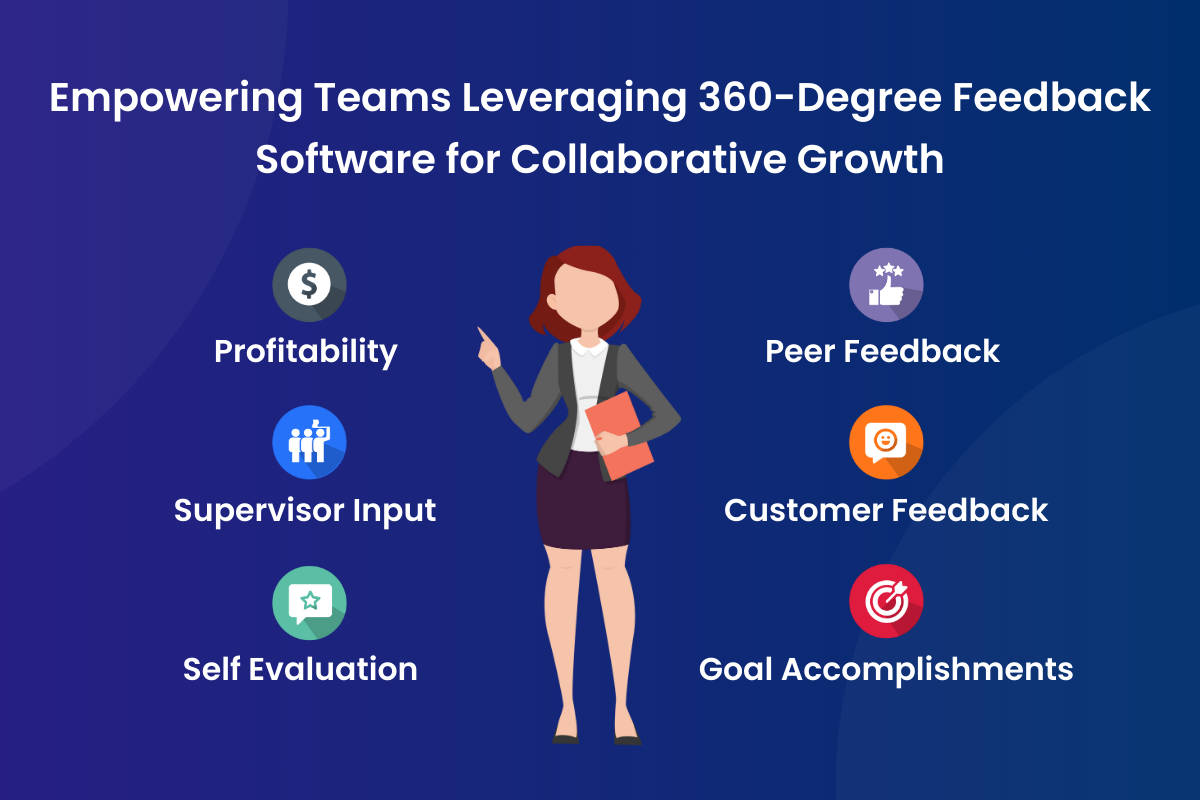
360-degree feedback software offers several advantages for organizations looking to enhance their performance management processes and foster employee development. Here are some key advantages:
- Comprehensive Feedback: Unlike traditional performance reviews that rely solely on feedback from a single source (usually the direct manager), 360-degree feedback software gathers input from multiple stakeholders, including peers, subordinates, and even external contacts. This comprehensive feedback provides a more holistic view of an individual’s performance, incorporating diverse perspectives and insights.
- Enhanced Self-awareness: By receiving feedback from a variety of sources, employees gain a deeper understanding of their strengths, weaknesses, and areas for improvement. This increased self-awareness enables individuals to identify blind spots, leverage their strengths, and take proactive steps to address development areas, ultimately contributing to personal and professional growth.
- Promotion of Collaboration: 360-degree feedback software fosters a culture of collaboration by encouraging open communication and feedback exchange among team members. By soliciting input from peers and subordinates, the software reinforces the idea that feedback is a two-way street, promoting mutual support, accountability, and teamwork within the organization.
- Customizable Evaluation Criteria: Many 360-degree feedback software platforms allow organizations to customize evaluation criteria based on their specific goals, values, and competencies. This flexibility enables companies to align feedback with strategic objectives and tailor assessments to the unique needs of different roles, teams, or departments.
- Targeted Development Planning: Armed with insights from 360-degree feedback, organizations can create targeted development plans for individual employees. These plans may include training programs, mentoring opportunities, or stretch assignments designed to address specific areas for improvement and help employees reach their full potential.
- Objective Performance Measurement: By aggregating feedback from multiple sources, 360-degree feedback software reduces the risk of bias or subjectivity inherent in traditional performance evaluations. Objective data and metrics provide a more accurate reflection of an individual’s performance, enhancing fairness and transparency in the evaluation process.
- Facilitation of Continuous Improvement: 360-degree feedback software supports ongoing performance management efforts by facilitating continuous feedback loops and regular check-ins. Rather than relying on annual reviews, organizations can use the software to track progress over time, adjust goals as needed, and provide timely coaching and support to employees.
- Employee Engagement and Retention: By involving employees in the feedback process and demonstrating a commitment to their development, organizations can boost employee engagement and retention. Employees who feel valued, heard, and supported are more likely to be motivated, productive, and loyal to the organization.
Overall, 360-degree feedback software offers a range of benefits for organizations seeking to improve performance, foster collaboration, and empower their employees to succeed. By leveraging this powerful tool, companies can create a culture of continuous feedback and growth that drives success in today’s competitive business environment.
 Implementing AssessTEAM for Collaborative Growth: Best Practices and Tips
To maximize the benefits of AssessTEAM and drive collaborative growth within your organization, consider the following best practices and tips:
- Set clear expectations and goals for feedback collection
- Encourage a culture of open communication and constructive feedback
- Provide training and support for managers and team members on utilizing AssessTEAM effectively
Conclusion
In today’s competitive business landscape, empowering teams for success requires a strategic approach to performance management. With AssessTEAM’s 360-degree feedback software, organizations can unlock their teams’ full potential and drive collaborative growth. AssessTEAM promotes self-awareness, fosters constructive dialogue, and drives continuous improvement, revolutionizing performance management. Embrace the power of collaborative growth with AssessTEAM and propel your teams toward unparalleled success.