Effective employee performance evaluation is crucial for driving productivity and ensuring operational excellence in the manufacturing industry. You can optimize your workforce, improve efficiency, and achieve sustainable growth with the right strategies. In this blog, we will explore the five best practices that can transform your approach to performance management in the manufacturing industry. Whether you’re a plant manager, HR professional, or business leader, these practical insights and actionable tips will enhance your manufacturing operations.
 1. Set Clear and Measurable Goals
One of the foundational elements of effective software for the manufacturing industry is setting clear and measurable goals. This means defining specific, attainable, relevant, and time-bound (SMART) objectives for each employee and team. Clear goals provide direction and focus, ensuring that everyone understands what is expected of them and how their efforts contribute to the company’s overall success.
How to Implement:
- Define SMART Goals: Establish goals that are Specific, Measurable, Achievable, Relevant, and Time-bound. For example, “Increase production line efficiency by 15% over the next six months.
- Align Goals with Business Objectives: Ensure individual and team goals align with the company’s strategic objectives. This alignment fosters a sense of purpose and direction.
- Regularly Review and Adjust Goals: Continuously monitor progress and adjust as needed to stay on track and address any emerging challenges.
 2. Leverage Technology for Performance Tracking
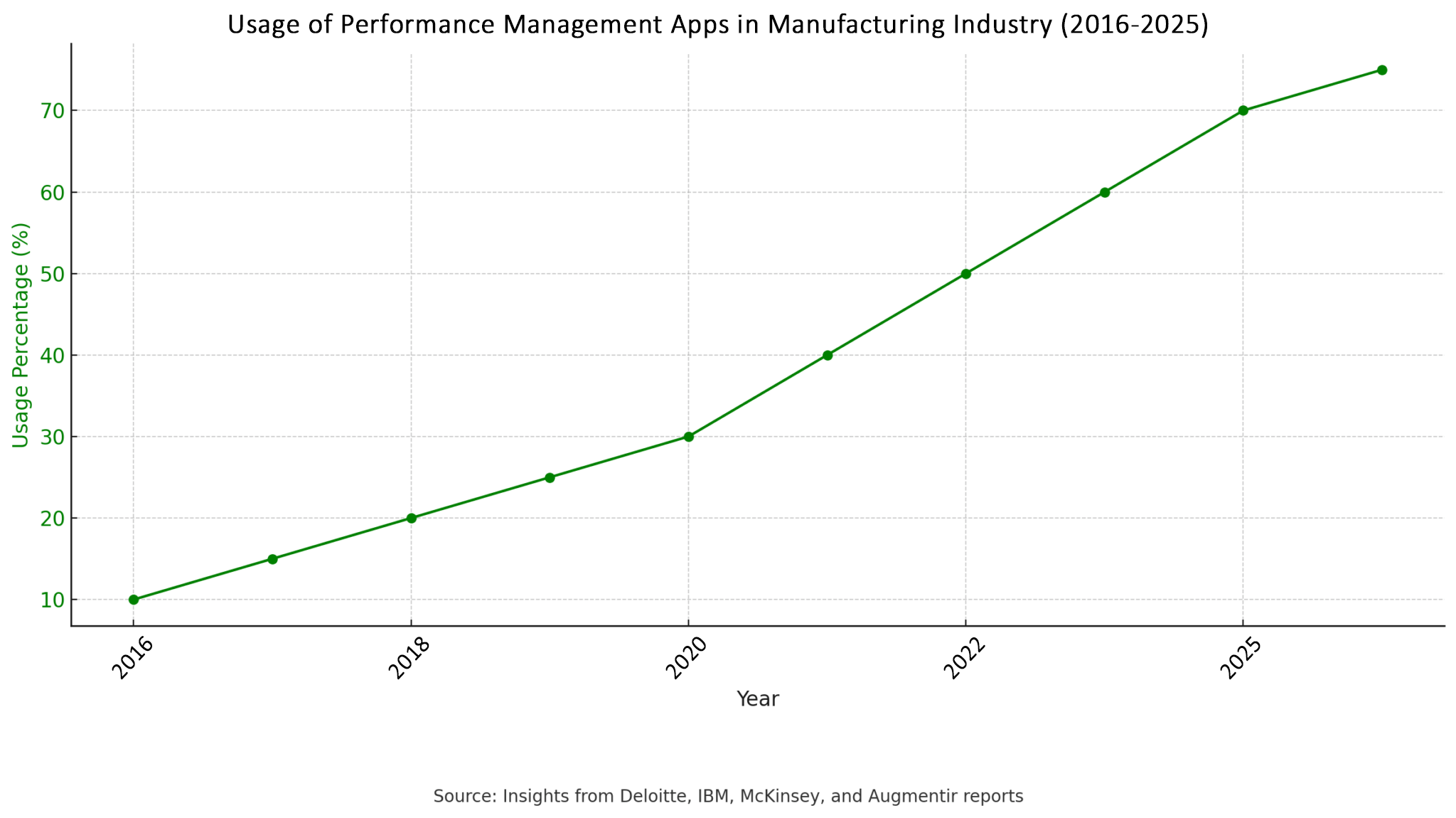
Leveraging technology is essential for effective performance management in today’s digital age. An online performance management system can streamline the process of tracking and evaluating employee performance, making it easier to identify areas for improvement and recognize achievements.
How to Implement:
- Use Performance Management Software: Implement an online performance management system that tracks key performance indicators (KPIs) in real-time and provides comprehensive reports on employee performance.
- Automate Data Collection:Utilize software to automatically collect and analyze data from various sources, such as production outputs, attendance records, and quality control metrics.
- Provide Accessible Dashboards: Ensure that managers and employees have access to user-friendly dashboards to view performance metrics and progress towards goals.
 3. Foster a Culture of Continuous Feedback and Improvement
A culture of continuous feedback and improvement is vital for maintaining high performance and fostering employee growth. Regular feedback helps employees understand their strengths and areas for improvement, enabling them to make necessary adjustments and continuously develop their skills.
How to Implement:
- Conduct Regular Check-Ins: Schedule frequent one-on-one meetings between managers and employees to discuss performance, provide feedback, and set new objectives.
- Encourage Peer Feedback: Create opportunities for employees to give and receive feedback from their peers, fostering a collaborative and supportive work environment.
- Implement 360-Degree Feedback: Use 360-degree feedback tools to gather input from supervisors, peers, and subordinates, providing a well-rounded view of an employee’s performance.
 4. Encourage Employee Engagement and Involvement
Engaged employees are more likely to be productive, committed, and motivated to contribute to the company’s success. Encouraging employee engagement and involvement in the performance management process helps to build a sense of ownership and accountability.
How to Implement:
- Involve Employees in Goal Setting: Allow employees to participate in setting their own goals and developing action plans, ensuring that they are invested in achieving them.
- Recognize and Reward Contributions: Regularly acknowledge and reward employees for their hard work and achievements, reinforcing positive behaviors and outcomes.
- Create Open Communication Channels: Establish open lines of communication where employees can voice their ideas, concerns, and suggestions for improvement.
 5. Invest in Employee Development and Training
Investing in employee development and training is critical for building a skilled and adaptable workforce. Providing opportunities for continuous learning and professional growth helps employees stay up-to-date with industry trends and enhances their ability to perform effectively.
How to Implement:
- Offer Comprehensive Training Programs: Develop training programs that address technical and soft skills tailored to the needs of your manufacturing workforce.
- Encourage Ongoing Education:Support employees in pursuing further education and certifications relevant to their roles and career aspirations.
- Mentorship and Coaching: Implement mentorship and coaching programs to guide employees’ professional development and help them navigate their career paths.
Conclusion
Implementing these best practices for employee performance management in the manufacturing industry can significantly enhance productivity, efficiency, and employee satisfaction. You can create a high-performing workforce that drives sustainable growth by setting clear goals, leveraging technology, fostering continuous feedback, encouraging engagement, and investing in development.
For more insights and tools to optimize your performance management approach, explore our online performance management system. AssessTEAM offers comprehensive solutions tailored to the unique needs of the manufacturing industry, helping you achieve operational excellence and drive business success.