When choosing employee appraisal management software, you may wonder: should you opt for a specialized stand alone employee appraisal software system, or should you settle for the built-in appraisal feature within your general HR software? The answer is clear—don’t be tempted by the convenience of an all-in-one HR system. A dedicated employee appraisal software tool will likely deliver far superior results and long-term value.
Why Not a Generalist HR System?
General HR software often acts as a digital filing system for HR functions, which might have been adequate for the early stages of digitizing HR processes. However, with the rise of specialized HR functions like performance management, these general systems have struggled to keep up with modern appraisal demands. They still rely on outdated appraisal processes, like once-a-year reviews, which are not enough for today’s fast-paced business environment.
In contrast, employee appraisal software is purpose-built to manage continuous, dynamic performance reviews that help employees grow and align with company goals. Generalist HR systems may offer basic appraisal functions, but they lack the sophistication, flexibility, and depth needed for effective performance management.
The Need for Employee Appraisal Software
So, why exactly do you need specialized employee appraisal software? Here’s why investing in a dedicated tool can transform your appraisal process:
 Continuous Feedback and Real-Time Performance Monitoring:
In today’s agile work environment, annual reviews are no longer enough. Employees need continuous feedback and guidance to stay aligned with company objectives. Employee appraisal software enables managers to give real-time feedback and track employee performance throughout the year. This ensures that performance management becomes a continuous process rather than a once-a-year event.
 Customizable Appraisal Templates:
Every role within an organization has unique performance requirements. Employee appraisal software allows you to customize templates, evaluation metrics, and performance goals for each role. This ensures that evaluations are meaningful and relevant, aligning with the specific goals and responsibilities of each employee.
 Improved Employee Engagement:
Employee appraisal software doesn’t just facilitate performance reviews—it drives engagement. With regular feedback, employees know exactly how they are performing and what they need to improve. This transparency fosters a culture of continuous improvement, resulting in higher morale, better engagement, and ultimately better performance.
 Data-Driven Decisions with Advanced Reporting:
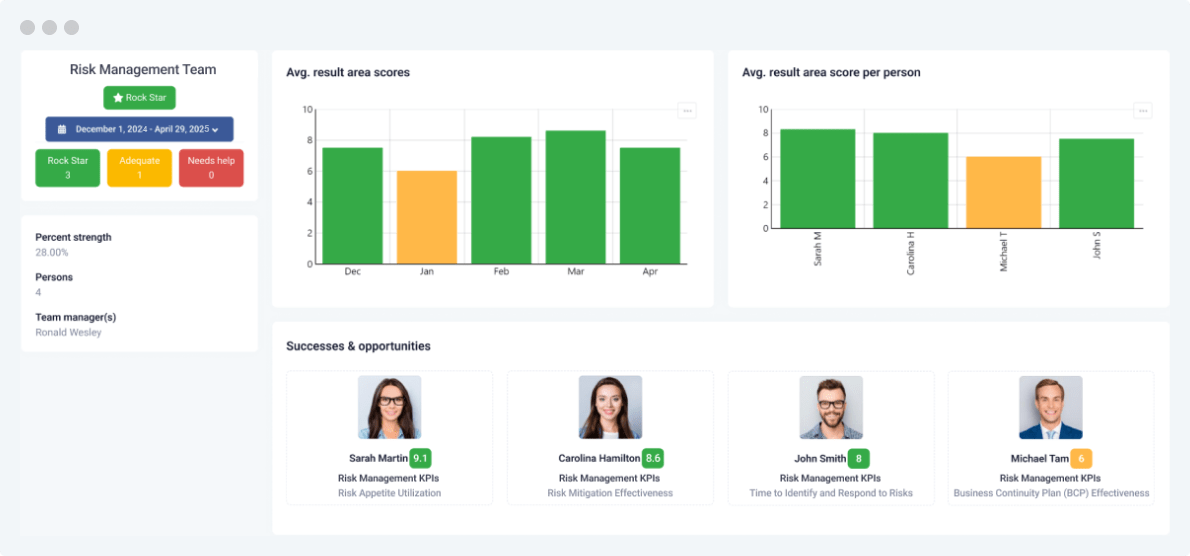
With built-in analytics and reporting, employee appraisal software provides data-driven insights into performance trends. This allows managers to make informed decisions about promotions, salary adjustments, or professional development opportunities. Generalist HR systems often lack the detailed analytics needed to uncover these insights.
 Seamless Integration with Other Systems:
Employee appraisal software is often designed to integrate seamlessly with other HR systems, such as payroll, project management, or learning management tools. This ensures that performance data is easily accessible and that your business operations remain smooth and efficient.
Benefits of Using Employee Appraisal Software
Switching to a dedicated employee appraisal tool offers a range of valuable benefits:
- Efficiency and Time Savings:
- Objective and Fair Evaluations:
- Boosted Employee Development:
- Enhanced Transparency and Accountability:
Employee appraisal software automates key tasks like sending reminders, tracking goals, and generating reports. This reduces the administrative workload for HR teams, freeing them up to focus on strategic initiatives rather than manual processes.
By using measurable data and multi-source feedback, employee appraisal software ensures that evaluations are more objective and fair. This helps eliminate bias and fosters a merit-based work culture, which is harder to achieve with generalist HR systems.
With a structured, continuous review process, employees have clear pathways for growth. They receive timely, constructive feedback that helps them improve and achieve their professional goals. This also allows businesses to identify high performers and reward them appropriately, reducing the risk of turnover.
Employee appraisal software ensures transparency in the review process. Both managers and employees have access to performance data, making the evaluation process clear and objective. This promotes accountability, with employees knowing what is expected of them and how they are being measured.
360-Degree Feedback: A Key Component
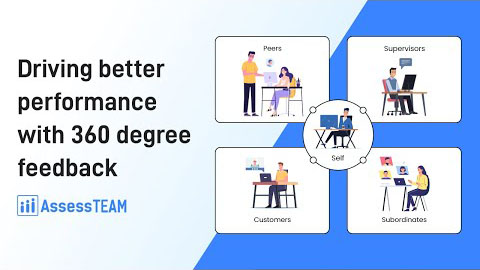
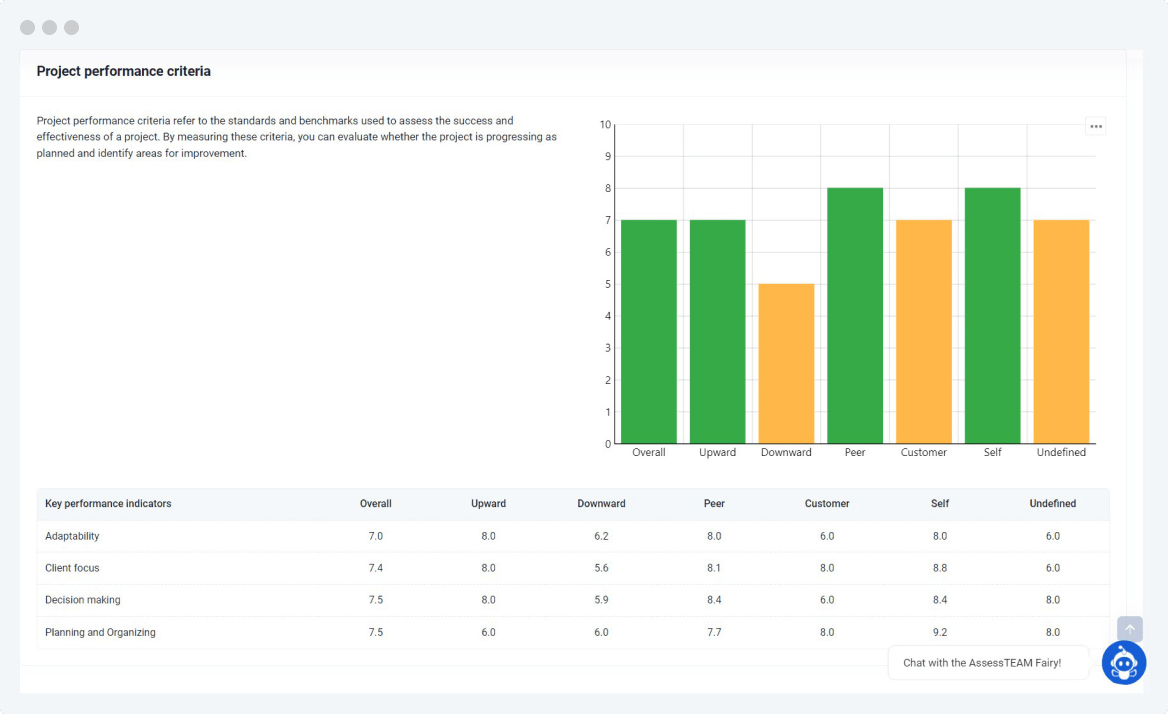
One of the most important features of employee appraisal software is the ability to incorporate 360-degree feedback. Unlike traditional top-down evaluations, 360-degree feedback gathers insights from multiple sources—managers, peers, and subordinates. This multi-source input provides a more accurate, unbiased, and well-rounded view of an employee’s performance.
By integrating 360-degree feedback, businesses can better understand how an individual is perceived at different levels. It gives employees a more holistic view of their impact and fosters stronger team collaboration and interpersonal relationships.
Why Employee Appraisal Software Delivers Better Results
Here’s why employee appraisal software works better than using the appraisal module in generalist HR systems:

Employee appraisal software is built specifically for performance management, meaning it offers more advanced tools and features like goal tracking, real-time feedback, and comprehensive reporting.
The focus on performance management means that the software is easy to use for both managers and employees. The streamlined user experience encourages engagement with the system, ensuring that reviews are completed and feedback is shared regularly.
Investing in a dedicated employee appraisal system may seem like a higher upfront cost, but it delivers better long-term results. It helps businesses retain top talent, increase productivity, and streamline operations, offering a much better return on investment compared to generalized HR systems.
Steps to Implement Effective Employee Appraisal Software
Transitioning to employee appraisal software can seem like a big step, but it doesn’t have to be overwhelming. Here’s how you can do it effectively:

- Identify Your Business Needs:
- Select the Right Tool:
- Train Your Team:
- Monitor and Adjust:
Start by identifying the gaps in your current appraisal process. Are you looking for more comprehensive feedback, better reporting features, or automated workflows? Knowing what you need will help you choose the right software.
Choose employee appraisal software that meets your specific business needs. Make sure it supports essential features like 360-degree feedback, customizable templates, and integration with your existing HR tools.
Proper training is crucial for successful implementation. Ensure that both managers and employees understand how to use the software effectively, and encourage them to engage with the tool for feedback and performance tracking.
Once the software is in place, monitor how well it’s performing. Regularly review feedback from users and adjust your process if necessary to ensure the software aligns with your business objectives.
Conclusion: Elevate Your Appraisal Process
Employee appraisal software offers more than just a tool for performance reviews—it provides a robust solution to drive engagement, improve productivity, and foster continuous development. In today’s competitive business environment, having the right tools for performance management is critical. By investing in specialized employee appraisal software, businesses can streamline their workflow, enhance transparency, and create a culture of continuous improvement.
If you’re ready to take your appraisal process to the next level, check out how AssessTEAM can streamline your workflow and improve overall performance.