

Effective performance evaluation is essential to the success of every organization. Choosing the right performance evaluation software can significantly improve how efficiently and accurately you assess employee performance, set goals, and foster professional growth. With numerous options available, it’s crucial to know what features to look for to ensure the software meets your organization’s needs. We’ve compiled a detailed guide on the key features to consider when selecting performance evaluation software.
 User-Friendly Interface
A user-friendly interface is paramount in performance evaluation software. An intuitive design ensures that managers and employees can navigate the system effortlessly, reducing the time spent on training and increasing overall productivity. Look for software with a clean layout, easy-to-understand instructions, and straightforward navigation.
Software that requires minimal training allows your team to quickly adapt and use the system effectively. This saves valuable time and resources, allowing your organization to focus more on strategic tasks rather than learning how to use complex performance evaluation tools.
 Customizable Evaluation Templates
Every organization has unique goals and metrics for evaluating performance. Customizable templates allow you to tailor the evaluation forms to fit your specific needs. Whether you need to focus on competencies, behavior, or project outcomes, customization ensures that evaluations are relevant and aligned with your business objectives.
Customizable evaluation templates help align performance reviews with your company’s goals and metrics. This alignment ensures that employees are assessed based on criteria that matter most to your organization, enhancing the relevance and effectiveness of performance evaluations.
 Goal Setting and Tracking
Effective performance evaluation software should include robust goal-setting features. These allow managers to set clear, measurable objectives for both individuals and teams. The ability to define SMART (Specific, Measurable, Achievable, Relevant, Time-bound) goals helps drive performance and achieve desired outcomes.
Tracking progress towards goals is crucial for ongoing performance management. Look for software that provides performance evaluation tools that monitor progress, update goals as needed, and generate reports on goal attainment. This ensures that employees stay on track and any necessary adjustments can be made promptly.
 Real-Time Feedback and Communication
Continuous feedback is essential for employee development and engagement. Performance evaluation software should facilitate real-time feedback, allowing managers to promptly provide constructive comments and recognition. This ongoing dialogue helps employees understand their performance, make improvements, and feel valued.
Effective communication tools within the software, such as chat functions, comment sections, and notification alerts, enable seamless interactions between managers and employees. This promotes a culture of transparency and continuous improvement.
 Performance Analytics and Reporting
Comprehensive performance analytics are vital for making informed decisions. The software should track key performance indicators (KPIs) and other relevant metrics to provide a clear picture of employee performance over time. This data-driven approach helps identify trends, strengths, and areas for improvement.
Robust reporting tools allow you to generate detailed performance reports, helping managers make evidence-based decisions. These reports can be customized to highlight specific aspects of performance, such as individual achievements, team performance, and progress toward goals.
Data visualization tools, such as charts and graphs, make it easier to interpret performance data. Visual representations help quickly identify patterns and trends, enabling more effective performance management and strategic planning.
 Integration with Existing HR Systems
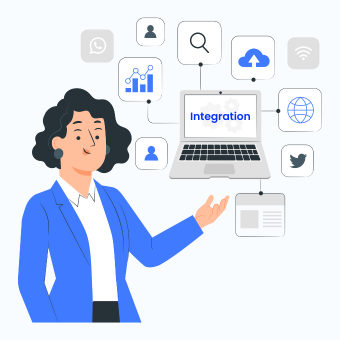
Seamless integration with your existing HR systems, such as HRIS and payroll, is crucial for streamlined operations. This integration ensures that data flows smoothly between systems, reducing the need for manual data entry and minimizing errors.
Performance evaluation software should be compatible with HR and productivity systems like Google Workspace, Microsoft 236, Asana, Basecamp, Zoho, Workday, SAP SuccessFactors, and ADP. Compatibility with these systems ensures that your performance management processes are cohesive and efficient.
 Automated Reminders and Notifications
Automated reminders help keep the performance evaluation process on track. The software should allow you to set reminders for upcoming evaluations, goal reviews, and feedback sessions. This ensures that important tasks are not overlooked and deadlines are met.
Automated reminders reduce the administrative burden on managers and HR professionals, ensuring the evaluation process is timely and consistent. This consistency helps in maintaining the integrity and effectiveness of performance management.
 Employee Self-Service Portal
An employee self-service portal empowers employees by providing access to their performance data. This transparency helps employees take ownership of their development and stay informed about their progress and areas for improvement.
Employees can proactively work on their development goals when they have access to their performance data. This empowerment fosters a culture of continuous improvement and personal growth, leading to higher engagement and productivity.
 Security and Data Privacy
Protecting sensitive performance data is critical. Performance evaluation software should include robust security measures, such as encryption, secure access controls, and regular security audits, to safeguard employee information.
Compliance with data protection regulations, such as GDPR and CCPA, is essential for legal and ethical reasons. The software should offer compliance features, including anonymization, secure data storage, and consent management.
 Scalability
As your organization grows, your performance evaluation needs will evolve. Scalable software can accommodate this growth by adding new users, features, and functionalities as needed, ensuring the system remains effective and relevant.
Look for software that offers flexible licensing options and modular features. This flexibility allows you to expand the system’s capabilities without significant disruption or additional costs.
 Support for 360-Degree Feedback
360-degree feedback involves collecting performance feedback from multiple sources, including peers, subordinates, and supervisors. This comprehensive approach provides a well-rounded view of an employee’s performance.
Integrating 360-degree feedback into performance evaluations helps identify strengths and areas for development from different perspectives. This holistic view enhances the accuracy and fairness of assessments, promoting a culture of open communication and continuous improvement.
Conclusion
Investing in the right performance evaluation software can transform how your organization manages and develops talent. Choosing a solution that aligns with your specific needs and goals can foster a culture of continuous improvement, enhance employee engagement, and drive business growth.
Focusing on essential features such as a user-friendly interface, customizable templates, goal setting and tracking, real-time feedback, performance analytics, integration capabilities, automated reminders, employee self-service, security, scalability, and support for 360-degree feedback can ensure that your performance management process is effective and efficient.
Evaluate your current performance evaluation process and consider how a comprehensive software solution can address your needs. Visit AssessTEAM to explore our performance evaluation tools and schedule a demo to see how our solutions can benefit your organization.